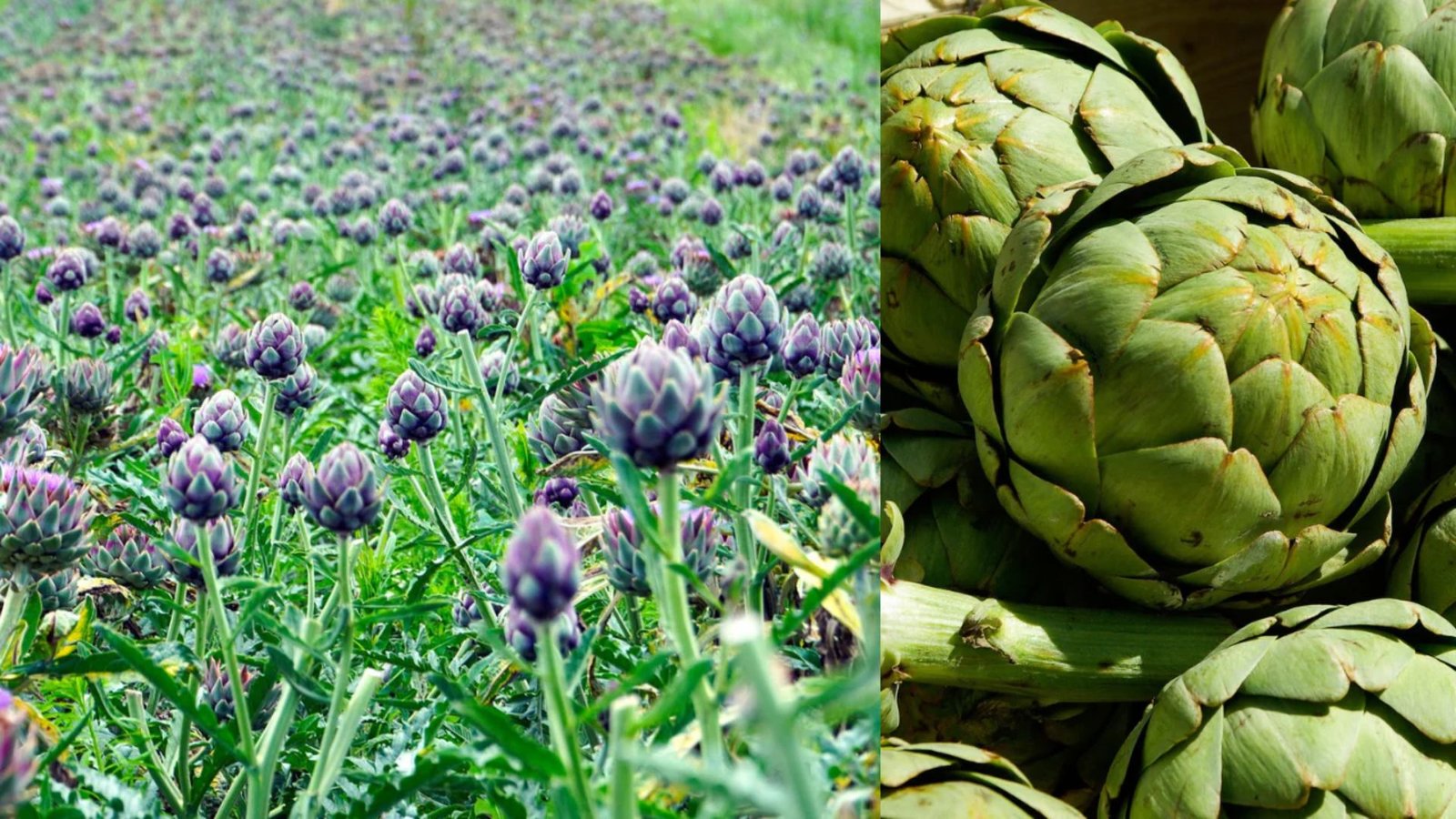
Ever stared at those spiky, silver-leaved beauties in the grocery store and thought, “Could I really grow artichokes myself?” Picture this: plump, tender globe artichokes popping up in your garden, fresh for dipping in butter or tossing in salads. As a hobby gardener, I’ve chased that thrill – and trust me, it’s easier than you think. In this guide, you’ll discover how to grow artichokes from seed to harvest, plus tips to make your plants thrive. Ready to turn your plot into an edible wonderland? Let’s dive in.
What Are Globe Artichokes?
Globe artichokes (Cynara cardunculus var. scolymus) aren’t veggies – they’re flower buds! These thistle-like perennials grow up to 6 feet tall, with silvery leaves and those iconic purple-tinged heads. Perfect for home gardeners, they add drama to borders while delivering delicious harvests. If you’re into artichoke gardening, they’re a low-fuss perennial in mild climates.
The Fascinating History of Artichokes
Artichokes trace back to ancient Greece around 77 AD, where Pliny the Elder praised their medicinal perks. Legend says Zeus turned a mortal girl into the first plant after a lovers’ spat – talk about dramatic origins! By the Renaissance, they hit European tables, and Spanish settlers brought them to California in the 1600s. Today, globe artichokes symbolize sophistication, from Roman feasts to modern farms.
Why Grow Artichokes Today?
In our busy world, growing globe artichokes means fresh, nutrient-packed eats at your fingertips. They’re fiber powerhouses (10g per medium bud!), aiding digestion and heart health. Plus, they attract pollinators and deter pests naturally. For hobbyists, it’s rewarding: one plant yields 6-12 buds yearly, saving cash on pricey store buys. Sustainable? Absolutely – they’re drought-tolerant once established.
Step-by-Step: How to Plant and Grow Globe Artichokes
Dreaming of your own artichoke patch? Start small and scale up.
Starting Seeds or Crowns
Sow seeds indoors 8-12 weeks before your last frost (late winter for most zones). Use modular trays, 1/4-inch deep, at 70°F. For quicker results, grab crowns from nurseries.
Planting Tips
Transplant after frost, spacing 3-4 feet apart in full sun. They love loamy, well-drained soil (pH 6.5-7.5). Dig holes twice the root width, mix in compost.
| Step | Timing | Key Action |
|---|---|---|
| Sow Seeds | Late Winter | Indoors, keep moist; germinates in 10-20 days. |
| Harden Off | 1-2 Weeks Pre-Plant | Gradual outdoor exposure. |
| Transplant | Post-Frost | 3 ft apart; water deeply. |
| Harvest | 85-100 Days | Cut buds at softball size. |
Care and Maintenance
Water weekly (1 inch), mulch for moisture. Fertilize monthly with balanced NPK. In zones 7-11, they’re perennial; elsewhere, treat as annuals with winter mulch.
Fun Facts and Stats About Artichokes
Did you know a single plant can live 5-7 years? Or that California produces 99% of U.S. artichokes – over 800,000 cases yearly! Fun twist: Unharvested buds bloom into stunning purple flowers, bee magnets.
| Fact | Stat/Details |
|---|---|
| Nutrition Boost | 64 calories, 10g fiber per bud. |
| Record Holder | Largest: 4.5 lbs (Guinness, 1983). |
| Cultural Icon | Marilyn Monroe: First Artichoke Queen (1948). |
Expert Tips for Success
Pro gardener hack: Vernalize seedlings with 10-14 cool days (40-50°F) for bigger yields. Prune suckers yearly to focus energy on buds. Watch for aphids – a neem spray does wonders. In hot spots, afternoon shade prevents bolting.
Frequently Asked Questions (FAQs)
Can I grow artichokes in pots?
Sure, but use 5-gallon+ containers with drainage. Treat as annuals.
How long until harvest?
85-100 days from transplant; patience pays off!
Are they frost-tolerant?
Mature plants handle light frost, but mulch roots in cold zones.
What if buds open?
Harvest early – open ones are tough. Compost extras for soil boost.
There you have it, friend – your roadmap to mastering how to grow artichokes. These globe gems aren’t just food; they’re a gateway to healthier, greener living. Grab seeds today, plant that first crown, and watch magic unfold. Share your harvest pics in the comments – what’s your next garden adventure?