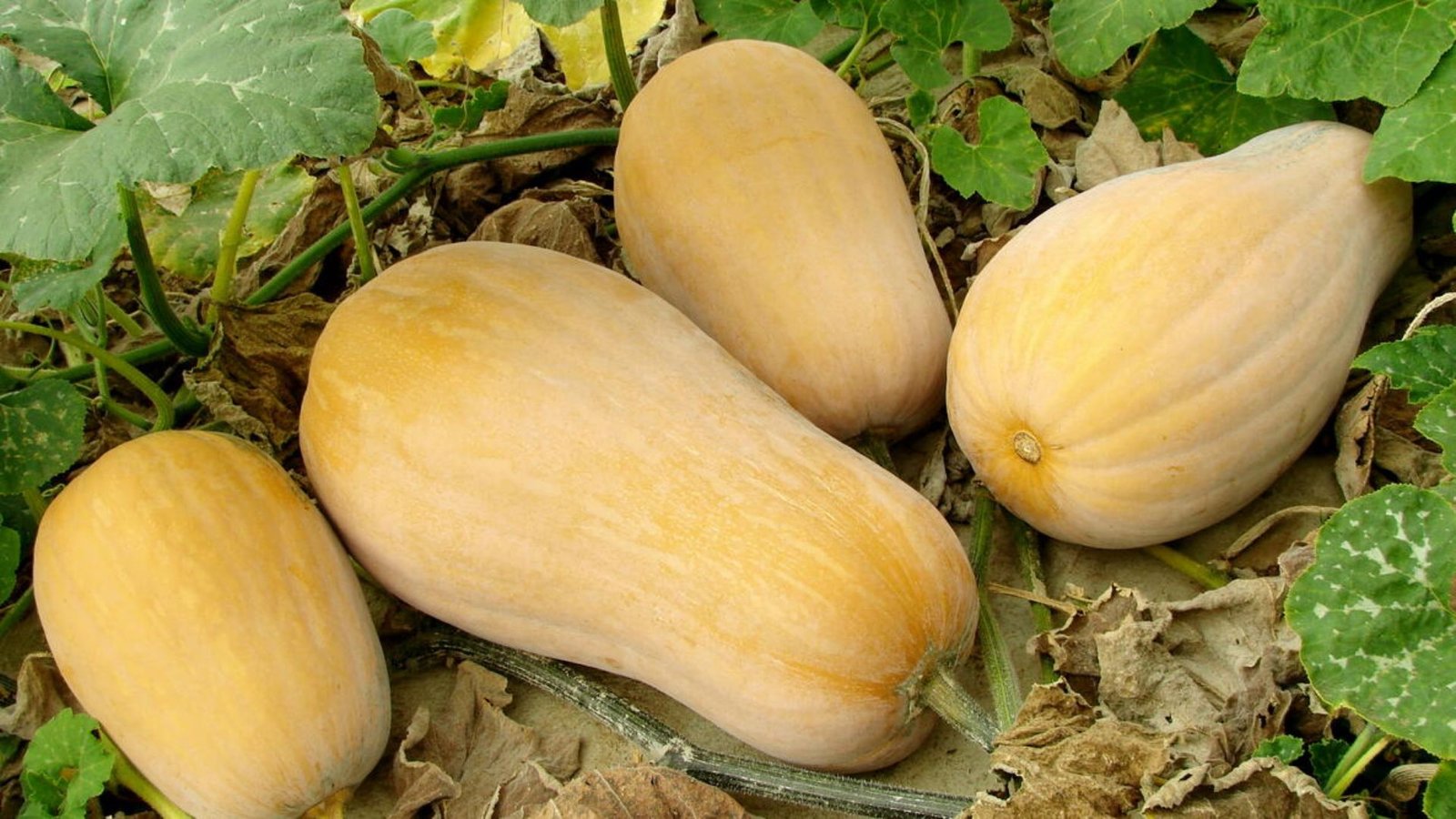
Picture this: Crisp autumn air, vines heavy with colorful orbs, and the sweet scent of roasting butternut filling your kitchen. If you’re a hobby gardener dreaming of homegrown bounty, learning how to grow winter squash is your ticket to fresh, flavorful harvests that last through winter. In this guide, we’ll uncover the secrets to cultivating butternut, acorn, spaghetti squash, and beyond—boosting your green thumb while saving on grocery bills. Ready to dig in?
What is Winter Squash?
Winter squash are the tough, storable stars of the gourd family—think thick rinds that protect sweet, dense flesh inside. Unlike summer squash, they mature late and keep for months. Popular picks? Butternut with its creamy, nutty vibe; acorn’s compact, mildly sweet shells; and spaghetti squash’s fun, noodle-like strands. These gems thrive in home gardens, perfect for hobbyists craving variety.
The Rich History of Winter Squash
Squash roots trace back 10,000 years to ancient Mesoamerica, where Indigenous peoples in Mexico domesticated wild Cucurbita vines for seeds and flesh. By the 1500s, explorers carried them to Europe, sparking global love affairs. Fun twist: Butternut squash? A 1940s American breeding breakthrough. Today, these New World natives symbolize fall feasts worldwide.
Why Grow Winter Squash Today?
In our busy world, growing winter squash shines for its nutrition punch—packed with vitamin A for eye health, fiber for gut love, and low calories for guilt-free eats. Homegrown means pesticide-free flavor and self-sufficiency. Plus, they’re space-savers in small plots, yielding 5-10 fruits per plant. For gardeners, it’s pure joy: Vibrant vines transform backyards into autumn wonderlands.
Step-by-Step: How to Grow Winter Squash
Start seeds indoors 3-4 weeks before your last frost, or direct-sow in warm soil (above 70°F). Space hills 4-6 feet apart for vining sprawl. Water deeply (1-2 inches weekly), mulch to retain moisture, and fertilize with compost. Harvest when rinds harden and stems dry—usually 80-110 days. Pro move: Rotate crops yearly to dodge pests.
Variety Spotlight: Butternut vs. Acorn vs. Spaghetti
Here’s a quick comparison to pick your faves:
| Variety | Size | Flavor Profile | Days to Maturity |
|---|---|---|---|
| Butternut | 8-12″ long | Sweet, nutty | 85-110 |
| Acorn | 4-6″ diameter | Mild, buttery | 80-100 |
| Spaghetti | 8-10″ long | Neutral, stringy | 90-100 |
Fun Facts and Stats on Winter Squash Varieties
Did you know? Five Cucurbita species fuel over 100 modern types, with butternut leading U.S. sales at millions of pounds yearly. Acorn squash boasts 1,000% daily vitamin A per serving—eye-popping! Spaghetti mimics pasta, slashing carbs in recipes. Globally, squash production hits 25 million tons annually, per FAO stats.
Pros and Cons of Growing Winter Squash
| Pros | Cons |
|---|---|
| Long storage (up to 6 months) | Needs space for vines |
| Nutrient-dense yields | Susceptible to squash bugs |
| Versatile in cooking | Long growing season |
Expert Tips for Bountiful Butternut, Acorn, and More
Hand-pollinate flowers on rainy days for better sets. Fight powdery mildew with baking soda sprays. For compact gardens, try bush varieties like ‘Butterbush’ butternut. Harvest gently—twist, don’t cut—to avoid rot. Store in cool, dark spots for winter feasts.
Frequently Asked Questions (FAQs)
Can I grow winter squash in containers?
Yes! Opt for 5-gallon pots with trellises for vining types—ideal for balconies.
What’s the best soil for growing butternut squash?
Rich, well-drained loam with pH 6.0-6.8. Amend with compost for top results.
How do I store acorn squash post-harvest?
Cure at 80°F for 10 days, then keep at 50-55°F. They’ll last 2-3 months.
Pests eating my spaghetti squash vines?
Neem oil deters squash vine borers. Row covers early on work wonders.
Growing winter squash like butternut, acorn, and spaghetti isn’t just a hobby—it’s a harvest of health, flavor, and pride. From ancient roots to your plate, these versatile veggies reward patient gardeners with abundance. Grab seeds this spring, experiment with our tips, and share your bumper crops in the comments. What’s your fave variety? Dive into our summer squash guide next!