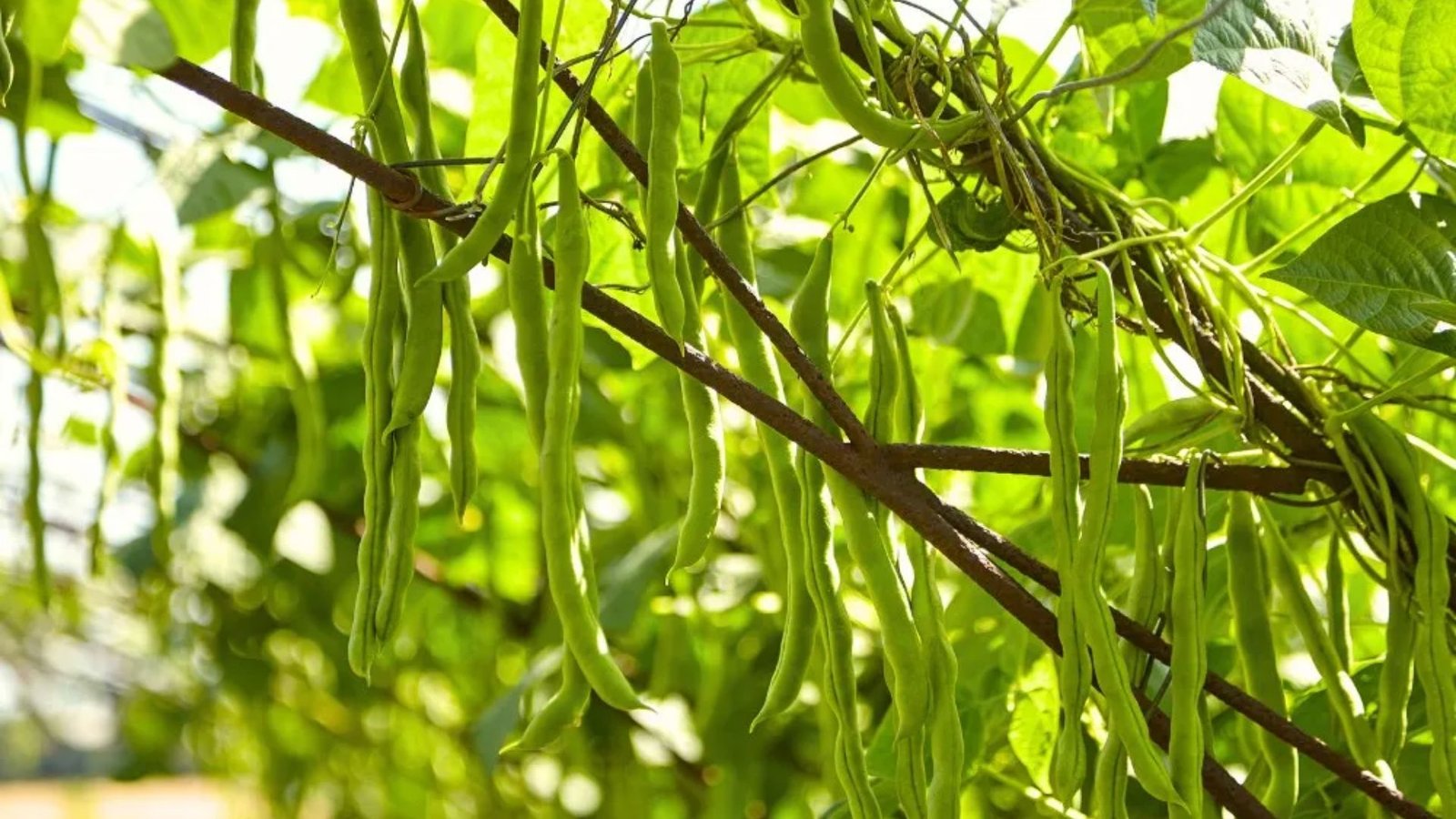
Imagine plucking vibrant, four-winged pods from a climbing vine in your backyard – pods so nutritious they rival soybeans. That’s the magic of wing beans. If you’re dipping your toes into home gardening, this tropical gem promises fresh eats, easy wins, and a harvest that keeps giving. Stick around, and I’ll walk you through propagation secrets for your own bountiful yield.
What Are Wing Beans?
Wing beans, or Psophocarpus tetragonolobus, are a tropical legume with square, winged pods that look like little aliens from a sci-fi flick. These vigorous climbers produce edible pods, leaves, flowers, tubers, and seeds. Perfect for hobby gardeners craving variety beyond snap beans.
In your home garden, they twine up trellises, adding a lush green backdrop. Plus, they’re nitrogen-fixers, enriching soil as they grow. Ready to add this powerhouse to your plot?
The Fascinating History of Wing Beans
Hailing from New Guinea’s wilds, wing beans likely originated in Papua New Guinea or nearby Melanesian islands. No true wild ancestor survives today, hinting at ancient domestication.
Traders spread them across South and Southeast Asia centuries ago. By the 20th century, they starred in Okinawan dishes and African farms. Today, they’re a staple in humid tropics, blending mystery with everyday eats.
Why Grow Wing Beans Today?
In our busy world, wing beans shine for home gardeners. They’re nutrient-dense: pods pack vitamin C for immunity, while seeds boast 30% protein – a boon for plant-based meals.
They’re low-maintenance, drought-tolerant once rooted, and pest-resistant. Growing wing beans cuts grocery bills and boosts biodiversity. In zones 9-11, they perennialize, yielding year-round. Who wouldn’t want a bountiful harvest that nourishes body and soil?
Step-by-Step Guide to Propagating Wing Beans
Propagating wing beans is straightforward for beginners. Start with seeds for reliability.
Seed Propagation
- Soak seeds 24-48 hours in warm water to boost germination.
- Plant 1 inch deep in well-draining soil, 2 feet apart, after frost when soil hits 60°F.
- Water gently; sprouts emerge in 7-14 days.
- Train vines on a 6-foot trellis.
Stem cuttings work too: Snip 4-inch tips, root in water, then pot up.
| Propagation Method | Pros | Cons | Success Rate |
|---|---|---|---|
| Seeds | Cheap, true-to-type | Slower (2-3 weeks to root) | 70-80% with soaking |
| Stem Cuttings | Faster establishment | Needs healthy parent plant | 85-90% in humid conditions |
Harvest pods at 6-9 inches for tenderness – about 50 days from seed.
Fun Facts and Stats About Wing Beans
Did you know every part is edible? Pods taste like asparagus; tubers rival potatoes.
| Nutrient (per 100g) | Wing Beans | Soybeans | Benefit |
|---|---|---|---|
| Protein | 29g | 36g | Muscle repair |
| Potassium | 977mg | 1797mg | Heart health |
| Vitamin C | 18mg | 6mg | Immunity boost |
| Calories (pods) | 49 | 446 | Low-cal snack |
Pods grow up to 12 inches, and seeds hold more potassium than 90% of foods. A single vine yields 20+ pounds seasonally!
Expert Tips for a Thriving Harvest
Pinch growing tips at 6 inches for bushier plants and more pods. Fertilize bi-weekly with balanced mix; wood ash amps potassium.
Keep soil moist but not soggy – they’re humidity lovers. In cooler spots, start indoors. Watch for aphids, but they’re rare. Pro trick: Companion plant with corn for natural support.
Frequently Asked Questions (FAQs)
How long until I harvest wing beans?
About 50-60 days from seed to first pods.
Can I grow wing beans in pots?
Yes! Use 5-gallon containers with trellis; ideal for balconies.
Are wing beans perennial?
In USDA zones 10-12; treat as annuals elsewhere.
What’s the best soil for propagation?
Loamy, pH 6.0-7.0, with good drainage.
Do wing beans need full sun?
Absolutely – 6-8 hours daily for bountiful harvests.
There you have it, friend – your ticket to propagating wing beans like a pro. This easy home gardening guide unlocks nutritious, eye-catching crops that reward every effort. Grab seeds today, dig in, and watch your garden explode with flavor. Share your first harvest pics below – what’s next on your grow list? Dive into our bean varieties post for more inspo.