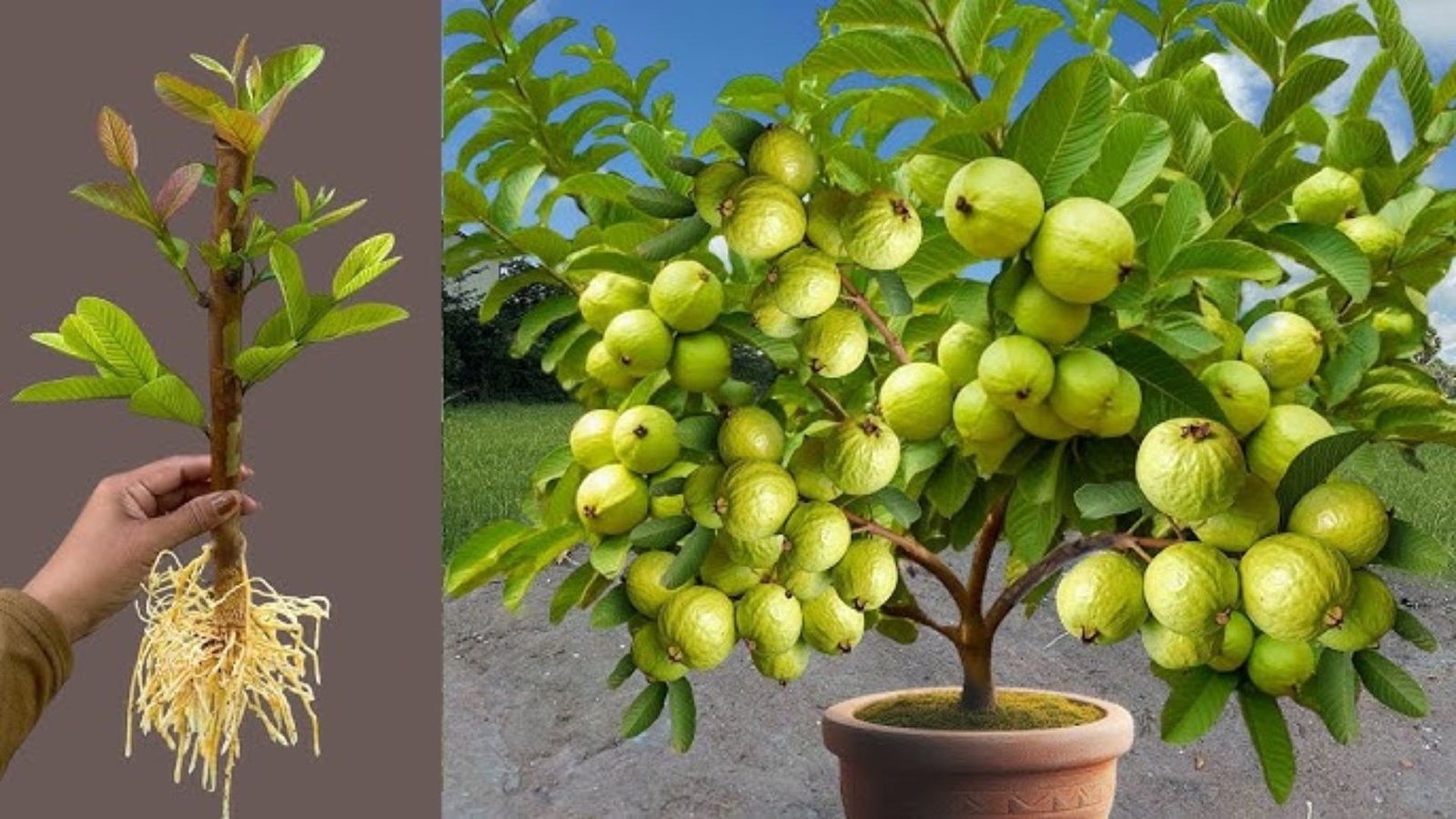
Imagine plucking a guava so massive and juicy it bursts with sweetness right in your hand—months ahead of schedule. If you’re a home gardener dreaming of tropical bounty without the wait, guava grafting with hardy rootstocks is your secret weapon. This simple trick turns ordinary trees into superstars, boosting yields and resilience. Stick around, and I’ll show you how to make it happen in your backyard.
What is Guava Grafting?
Guava grafting joins a top branch (scion) from a tasty variety onto a sturdy base (rootstock). It’s like giving your tree a tough foundation for better growth. Hardy rootstocks, such as wild guava types, make plants tougher against pests and weather.
Picking the Perfect Hardy Rootstock
These bases aren’t just any roots—they’re bred for strength. Think drought-proof and disease-fighting powerhouses that let your guava thrive anywhere.
The Roots of Guava Grafting: A Quick History
Grafting dates back over 3,000 years, from ancient China to Roman orchards. Guava itself hails from Peru, domesticated thousands of years ago. Modern guava grafting techniques, like the Forkert budding method, popped up in the 20th century to speed up fruiting and fight tropical woes. Hobbyists love it for turning wild finds into backyard gold.
Why Grafting Guava Matters Now
In today’s climate-shifting world, hardy rootstocks shield guavas from cold snaps and bugs. You’ll get bigger guava fruits that ripen faster—up to a year sooner—meaning sweeter harvests without endless patience. For hobby gardeners, it’s a game-changer: more fruit, less fuss, and eco-friendly wins by skipping chemicals.
How to Graft Guava at Home and Reap the Rewards
Ready to try guava grafting techniques? Start with a healthy rootstock seedling and a scion from your favorite sweet variety. Use cleft or wedge methods for beginners— they’re forgiving and fun.
Step-by-Step Guide to Success
- Cut a clean V-notch in the rootstock.
- Match the scion’s wedge shape snugly.
- Wrap with tape and wait 4-6 weeks for union.
- Water gently; watch for new shoots.
Benefits? Expect 20-30% bigger yields and fruits that taste like candy. Your garden will buzz with pride—and birds!
| Best Hardy Rootstocks for Guava | Key Benefits | Ideal For |
|---|---|---|
| Wild Guava (Psidium guineense) | Disease-resistant, drought-tolerant | Cooler climates, pest-prone areas |
| Lemon Guava | Cold-hardy up to 20°F, vigorous growth | Backyard hobbyists in mild winters |
| Apple Guava Hybrid | Strong roots, faster fruiting | High-yield home orchards |
Fascinating Facts on Grafted Guavas
Did you know grafted guavas can fruit in under a year, versus 3-4 for seedlings? Success rates hit 70-92% in greenhouses, per studies. One record: A Florida farm saw 50% sweeter fruits from hardy grafts, packing vitamin C like oranges on steroids.
| Grafting Success Rates by Season | Average % Success | Pro Tip |
|---|---|---|
| January (Winter) | 60% | Best for dormant roots |
| April (Spring) | 85% | Warmth speeds healing |
| July (Summer) | 75% | Shade from heat stress |
Pro Tips from Seasoned Growers
Keep it simple: Graft in spring for zippy results. Use sharp tools to avoid infections—clean like a surgeon! Monitor humidity; a plastic bag mini-greenhouse works wonders. And remember, patience pays: First fruits might surprise you with extra zing.
Frequently Asked Questions
Is guava grafting hard for beginners?
Not at all! With practice, you’ll nail it. Start small, and your bigger, sweeter guava fruits will motivate you.
What makes hardy rootstocks special for guava?
They add resilience, letting tropical guavas handle chills and droughts better than standard ones.
How long until grafted guavas bear fruit?
Often 6-12 months—way faster than seeding, perfect for impatient gardeners.
Can I graft guava onto other trees?
Stick to Psidium family for best matches; cross-species rarely works well.
In wrapping up, grafting guava with hardy rootstocks isn’t just smart—it’s a joyful hack for juicier, quicker rewards in your garden. You’ve got the know-how now: Grab some cuttings and transform your plot. Share your first harvest pics in the comments, or dive into our citrus grafting guide next. Happy growing, friends!