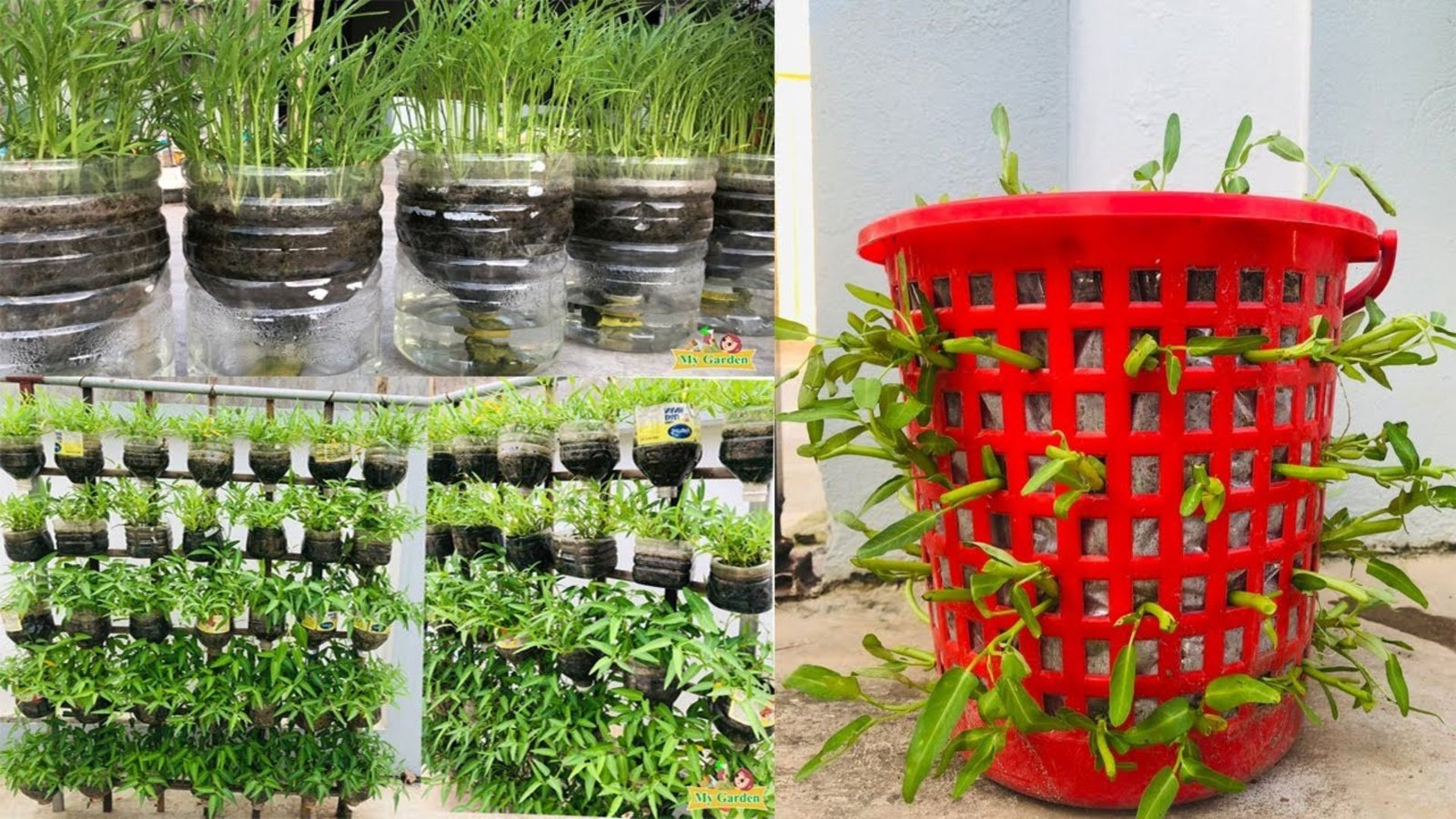
Ever stared at a pile of empty plastic bottles, wondering if they could do more than clutter your recycling bin? In a world drowning in plastic waste—over 75% of U.S. plastics end up in landfills—what if I told you those bottles could sprout fresh veggies right on your windowsill? This beginner-friendly hack isn’t just fun; it’s a game-changer for eco-conscious gardeners. Stick around, and I’ll show you how to upcycle them into a space-saving wonder that grows herbs and greens from seeds. You’ll save money, slash waste, and harvest your own salads in weeks.
What is Plastic Bottle Gardening?
Picture this: halved plastic bottles dangling like jewels, packed with soil and bursting with baby greens. Plastic bottle gardening is a clever upcycling trick where you repurpose those everyday discards into mini planters. Perfect for apartments or tiny patios, it lets beginners grow vegetables from seeds without fancy gear. No yard? No problem. It’s all about turning trash into a thriving veggie patch.
The Roots of Upcycling Plastic in Gardens
Plastic hit gardens big in the 1960s with cheap pots revolutionizing nurseries. But upcycling bottles? That’s a modern eco-twist from the 2000s, born from global recycling pushes. Early innovators in urban spots like India and Brazil started slicing bottles for vertical farms to fight food scarcity. Today, it’s a worldwide hobby, blending thrift with green thumbs.
Why DIY Bottle Gardens Rock Today
With only 9% of global plastic recycled, we’re swimming in waste. Enter bottle gardens: they cut landfill junk, save cash on pots, and fit snug in small spaces. Grow your own veggies from seeds, slash grocery bills, and feel that eco-win. Plus, in tight urban spots, it’s a fresh-food lifeline. Who knew fighting pollution could taste like homegrown lettuce?
Step-by-Step: Build Your Vegetable Garden from Seeds
Ready to dive in? Grab bottles, scissors, and soil—let’s craft.
- Rinse and cut: Halve 2-liter bottles lengthwise for planters.
- Poke holes: Drill drainage in bottoms to avoid soggy roots.
- Fill ’em up: Layer gravel, then potting mix.
- Sow seeds: Plant veggie starters like radish or herbs, 1/4 inch deep.
- Water and wait: Mist daily; hang or line up in sun.
In 7-10 days, sprouts appear. Boom—your DIY plastic bottle garden thrives!
Top Veggies for Bottle Bliss
Not all veggies love bottles, but these seed starters shine in compact setups. Check this quick guide:
| Vegetable | Grow Time (Weeks) | Space Needed (Bottle Size) | Yield per Bottle | Why It Works |
|---|---|---|---|---|
| Lettuce | 4-6 | Small (1L) | 2-3 heads | Shallow roots, fast harvest |
| Radish | 3-4 | Small (1L) | 5-8 bulbs | Quick from seeds, crisp bite |
| Basil | 6-8 | Medium (2L) | Handful leaves | Aromatic, pest-repelling |
| Cherry Tomato | 8-10 | Large (2L+) | 10-15 fruits | Vining but trainable |
| Spinach | 5-7 | Small (1L) | Bunch greens | Cool-weather champ |
Pick easy wins like lettuce for your first upcycled plastic bottle veggie garden.
Cool Facts and Stats on Bottle Gardening
Bottle upcycling isn’t hype—it’s impact. Here’s a pros/cons snapshot vs. traditional pots:
| Aspect | Bottle Gardening Pros | Bottle Gardening Cons | Traditional Pots Comparison |
|---|---|---|---|
| Cost | Free from recyclables | May need tweaks for stability | $5-20 per pot |
| Eco-Impact | Diverts 1 bottle = 1 less landfill item | Plastic breakdown risk over years | Often virgin plastic-made |
| Space Savings | Vertical stacking for tiny areas | Limited root depth for big plants | Bulkier, yard-required |
| Stats Boost | Upcycles 500M+ global bottles yearly | Only 29% PET recycled in U.S. | 8.7% overall plastic recycle rate |
Fun fact: One DIY setup can yield 5 lbs of greens yearly from “trash”!
Pro Tips from Gardening Gurus
Heard from pros? Start small—test one bottle before a wall of ’em. Add charcoal for odor control in soil. For seeds, use a spray bottle (irony!) to mist gently. Rotate spots for even sun, and label bottles to track growth. Pro hack: Cut bottles sideways for self-watering reservoirs. Your vegetable garden from seeds will explode!
FAQs: Your Bottle Garden Questions Answered
Can I grow tomatoes in plastic bottles?
Yep! Opt for cherry varieties; train vines up strings.
How often to water?
Every 2-3 days; check soil dryness first.
Safe for edibles?
Clean well; avoid chemical-labeled bottles.
Winter tips?
Bring indoors or insulate for frost protection.
Scale up ideas?
Stack into towers for a full vertical veggie wall!
In wrapping this up, turning plastic bottles into a thriving vegetable garden from seeds is pure beginner’s magic—eco-smart, wallet-friendly, and downright rewarding. You’ve got the steps, picks, and tips to start sprouting today. Grab those bottles, sow some seeds, and watch waste become wonder. Share your first harvest pics in the comments—what’ll you grow? Dive into more DIY gardening hacks next!