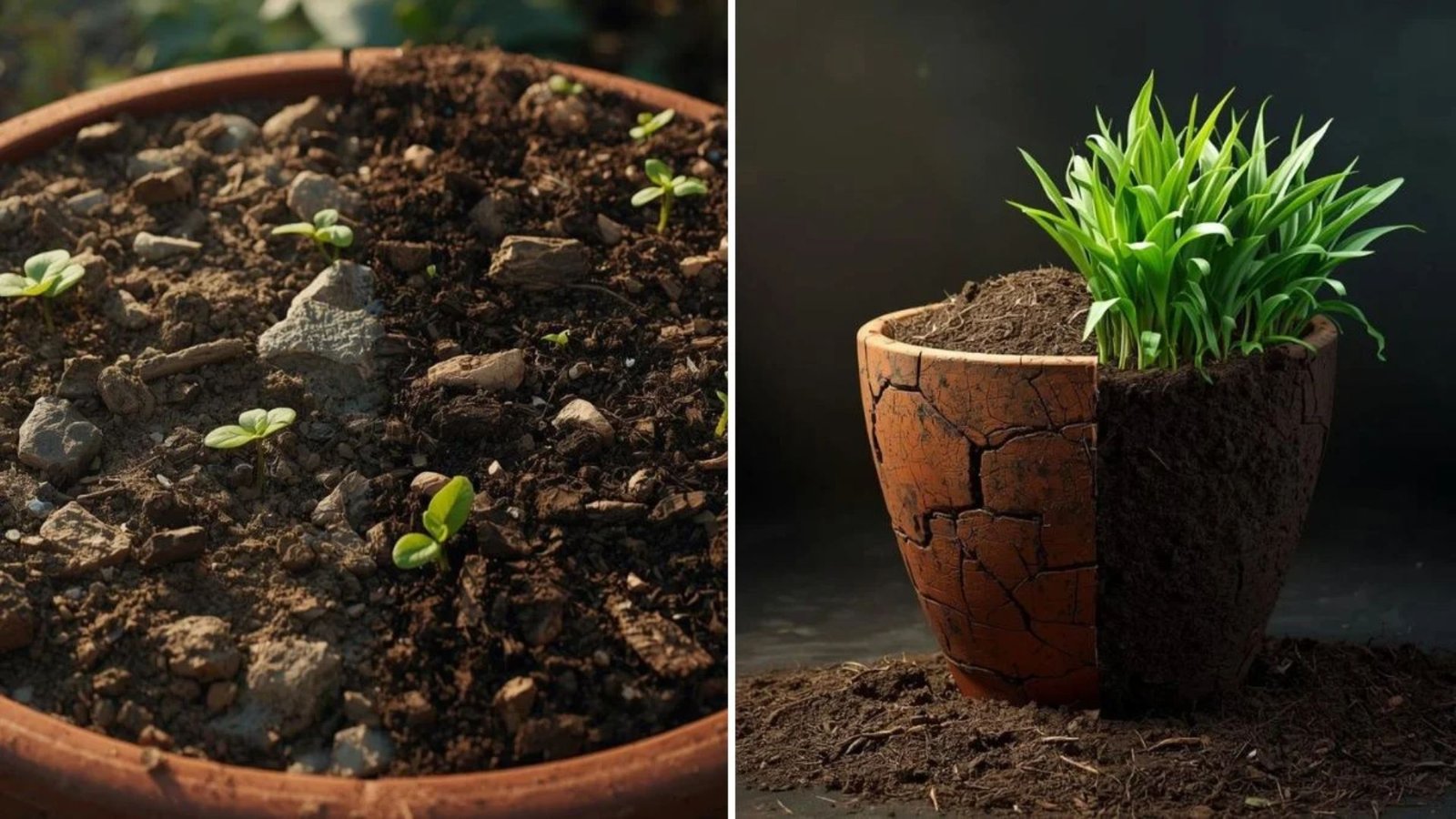
Ever stared at your once-vibrant garden, now looking limp and lackluster, and wondered if it’s the soil screaming for a spa day? You’re not alone—old soil loses its mojo over time, starving plants of nutrients and oxygen. But here’s the good news: refreshing old soil isn’t just a chore; it’s a game-changer for better plant growth and greener thumbs. Stick around as we uncover simple steps to revitalize garden soil, turning your backyard into a thriving paradise without breaking the bank.
What is Soil Revitalization?
Think of soil as your plants’ pantry—over time, it empties out. Revitalizing old soil means breathing new life into depleted dirt by adding nutrients, improving drainage, and banishing pests. It’s perfect for hobbyists reusing potting mix from last season’s tomatoes or perennials.
Spotting the Signs of Tired Soil
Yellow leaves? Stunted roots? That’s your cue. Old soil compacts, loses beneficial microbes, and harbors hidden bugs, all blocking healthier plants from flourishing.
A Quick History of Soil Care in Gardening
Soil savvy isn’t new—back in the 1800s, folks like Justus von Liebig pushed the idea that plants thrive on recycled nutrients, ditching myths about “humus” magic. Fast-forward to the 1930s: The U.S. Soil Conservation Service launched amid Dust Bowl woes, pioneering techniques to refresh eroded land. Today, these roots inspire our backyard soil revival hacks.
Why Refreshing Old Soil is a Must Today
In our eco-conscious world, revitalizing garden soil cuts waste and boosts sustainability. Depleted dirt means weaker crops and more chemicals—yikes! But refreshed soil? It locks in water, fights climate woes, and amps up yields by up to 20%, per regenerative ag studies. For hobby gardeners, it’s the secret to vibrant veggies without endless store runs.
How to Revitalize Old Soil: Your Step-by-Step Guide
Ready to roll up your sleeves? Start small for big wins.
- Dump and Sift: Empty pots into a bin; remove roots, weeds, and rocks. This clears space for fresh vibes.
- Solarize for Sterility: Spread thin in sun for 4-6 weeks—heat zaps pathogens naturally.
- Boost with Goodies: Mix in 30% compost, worm castings, and perlite for aeration. Voila—healthier plants incoming!
- Test and Tweak: Grab a cheap pH kit; aim for 6.0-7.0. Lime for acidity, sulfur if too alkaline.
Benefit? Reuse that old potting soil, save cash, and watch growth explode.
Fascinating Facts and Stats on Soil Magic
Did you know healthy soil teems with billions of microbes per spoonful—more than stars in the Milky Way? Revitalized plots can sequester 27% of CO2 emissions needed to curb warming, says a 2023 study. Plus, biodiversity boosts fertility 2x faster on poor land.
Pro Tips from Gardening Gurus
- “Layer old soil as mulch—it’s gold for beds!” shares expert Farmer Fred.
- Add coffee grounds for nitrogen punch, but rinse first to avoid burns.
- Rotate amendments yearly; overdo it, and soil salts up.
- For pots, blend 50/50 old and new mix—balance is key to better growth.
Frequently Asked Questions
Can I reuse soil from diseased plants?
Nope—toss it to avoid spread. Always inspect first.
How often should I refresh old soil?
Annually for pots; every 2-3 years for gardens.
What’s the cheapest way to revitalize garden soil?
Homemade compost! Kitchen scraps turned black gold.
Will this work for indoor plants?
Absolutely—same steps, just scale down.
Any quick fixes for super-dry soil?
Soak with seaweed extract; it revives microbes overnight.
Wrapping It Up: Dig In and Watch the Magic
Refreshing old soil isn’t just maintenance—it’s your ticket to a bountiful, low-stress garden that rewards every effort with healthier plants and bumper harvests. Grab that shovel, try one tip today, and share your glow-up pics in the comments. Craving more? Check our guides on compost kings or pest-proofing. Your green journey starts now—happy planting!