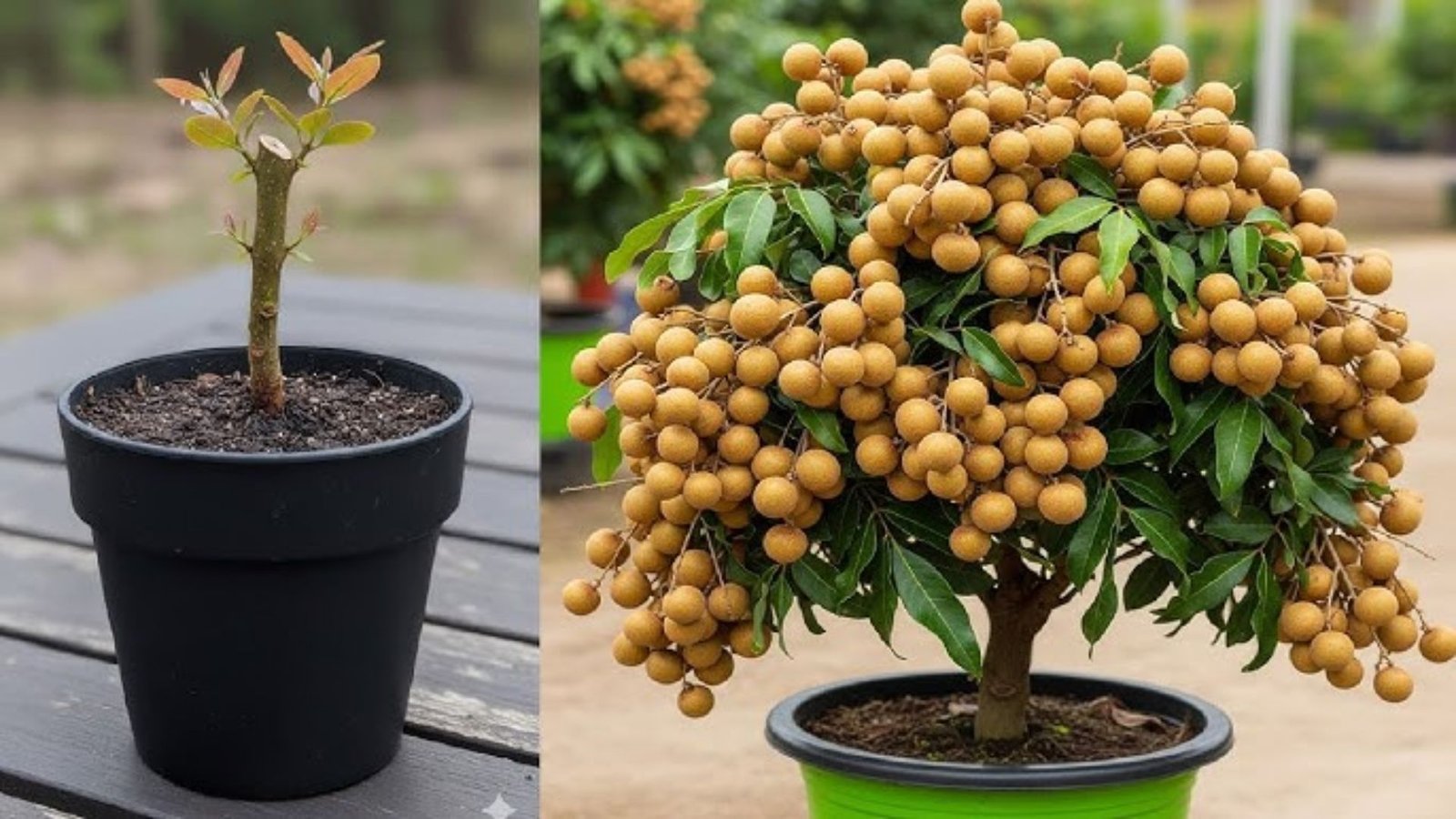
Imagine biting into a plump, juicy longan that’s sweeter than candy and twice the size of what you’ve grown before. Sounds like a dream for any backyard gardener? Well, it’s not—thanks to a fresh twist on grafting longan trees that’s revolutionizing home orchards. If you’re tired of waiting years for mediocre fruit, this simple technique could transform your garden into a tropical paradise. Stick around to discover how it works, why it’s a game-changer, and easy steps to try it yourself.
What Is This New Grafting Idea for Longan Trees?
Grafting longan involves joining a tough rootstock to a premium fruit branch, or scion. This new approach uses hardy wild longan seedlings as rootstocks. They’re naturally disease-resistant and fast-growing, creating a stronger bond than old methods.
Why the hype? Traditional seed-grown trees take forever to fruit and vary wildly in taste. This grafting longan technique fixes that, promising healthier longan trees that pump out bigger, sweeter longan fruits right from year two.
The Roots of Longan Grafting: A Quick History
Longan trees hail from Southeast Asia, where farmers have grafted them for centuries to boost yields. Early techniques stuck to basic cleft grafts on standard seedlings. But in recent years—around 2024—innovators experimented with wild rootstocks.
Inspired by lychee cousins, this modern grafting longan method blends old wisdom with new resilience. It’s like giving your tree superpowers from nature’s toughest survivors.
Why Grafting Longan Matters Now More Than Ever
In today’s climate, erratic weather hits orchards hard. Grafting longan builds in drought tolerance and pest resistance, making healthy longan trees a smart bet for hobbyists.
Plus, with rising demand for homegrown tropical fruits, you’ll enjoy bigger, sweeter longan fruits without chemicals. It’s eco-friendly, space-saving, and perfect for small yards—turning casual gardeners into fruit pros.
How to Graft Your Own Longan Tree and Reap the Rewards
Ready to dive in? This beginner-friendly wedge graft takes under an hour. You’ll need a young rootstock, a scion from a sweet-fruit tree, a sharp knife, and tape.
Start by slicing the rootstock top into a V-notch. Wedge in the angled scion, matching the green layers underneath. Wrap tight, mist with aloe vera gel for healing, and shade for a week. Watch buds sprout in weeks!
Benefits? Fruit in 2-3 years, not 7. Your grafted tree will thrive in pots or soil, yielding clusters that wow neighbors.
Fascinating Facts and Stats on Longan Yields
Did you know? A single grafted longan tree can produce up to 200 fruits annually once mature— that’s 50 pounds of sweet goodness! Studies show grafted varieties resist 70% more soil pests than seeds.
In Florida trials, these methods boosted fruit size by 30%, turning golf-ball orbs into ping-pong delights.
Pro Tips from Seasoned Gardeners
Pick scions in spring from disease-free trees—freshness is key. Align those cambium layers perfectly; it’s the secret to a seamless union. Post-graft, fertilize with banana peels for potassium kicks, enhancing those bigger, sweeter longan fruits.
Avoid overwatering; soggy roots spell doom. And chat with local nurseries—they often share wild rootstock starters.
Frequently Asked Questions
How long until my grafted longan bears fruit?
Expect blooms in 18-24 months, with full harvests by year three.
Can I graft longan in cooler climates?
Yes, in pots! Move indoors during frost for healthy longan trees.
What’s the success rate?
About 80% with practice—start small and learn.
Any tools I need?
Just a grafting knife and tape; aloe gel boosts odds.
Conclusion: Your Next Step to Sweeter Harvests
This new grafting longan idea isn’t just a trick—it’s your ticket to healthier longan trees bursting with bigger, sweeter longan fruits. From faster yields to tough-as-nails resilience, it’s a win for any plant lover. Grab your tools, try a graft this weekend, and share your juicy results in the comments. What’s your next garden adventure? Check our lychee guides for more tropical tips!